Table of Contents
- What startups actually need from startup branding stickers
- Choosing the right sticker type for startup branding stickers
- Material and finish choices that make a startup look legit
- Design details that keep branding clean
- Why CustomStickers works well for startups
- A simple rollout plan for startup branding stickers
- Final thoughts
If you run a startup, you already know the weird truth: people will judge your whole brand off one tiny detail. A shipping box that looks sloppy. A label that peels. A sticker that arrives scuffed and makes your logo look like it went through a dishwasher fight (even if it didn’t).
That’s why startup branding stickers matter more than most founders expect. They’re cheap compared to almost any other brand touchpoint, but they’re physical. People touch them, stick them, and see them again later. That’s rare.
And it’s also why CustomStickers has become a go-to. Not because stickers are “exciting.” They usually aren’t. But because startups need stickers that hold up, look consistent, and ship on a timeline that matches real life.
What startups actually need from startup branding stickers
Most startups aren’t ordering stickers for fun. They’re trying to solve practical problems:
Make packaging look intentional, not random
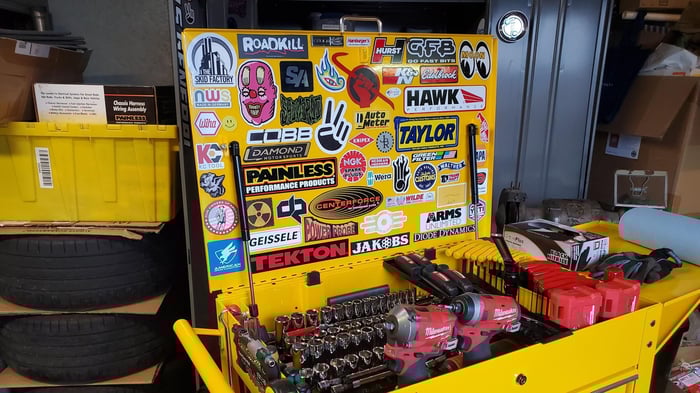
Get repeat exposure on laptops, water bottles, notebooks, and toolboxes
Add a “real brand” feel to early shipments and samples
Create simple handouts for events without printing a whole brochure
The tricky part is that startups change fast. A logo tweak, a new tagline, a pivot, a new URL. So you need printing that supports iteration. Small runs when you’re testing, bigger batches when you’ve found what works.
A good sticker partner also catches common issues (low-res art, tiny text, weird borders) before you end up with a box full of “well… that didn’t turn out like the mockup.”
Choosing the right s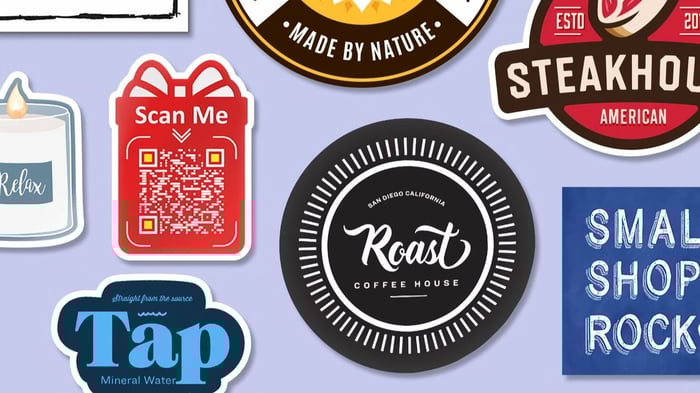 ticker type for startup branding stickers
A lot of sticker disappointment comes from ordering the wrong format. Here’s the simple way to think about it.
Die cut stickers (singles)
Best when you want your logo or mascot to stand alone and feel like “swag.” These are the ones people actually keep and stick on personal items.
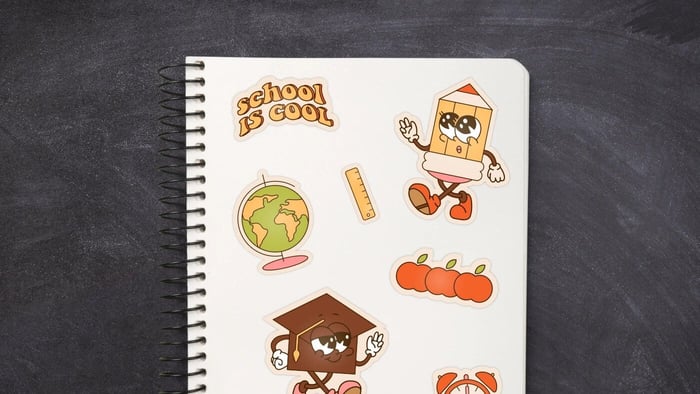
Kiss cut stickers and sticker sheets
Best when you want multiple designs on one sheet, or you want easy peel-and-stick backing. Great for packaging inserts and variety packs.
Label rolls
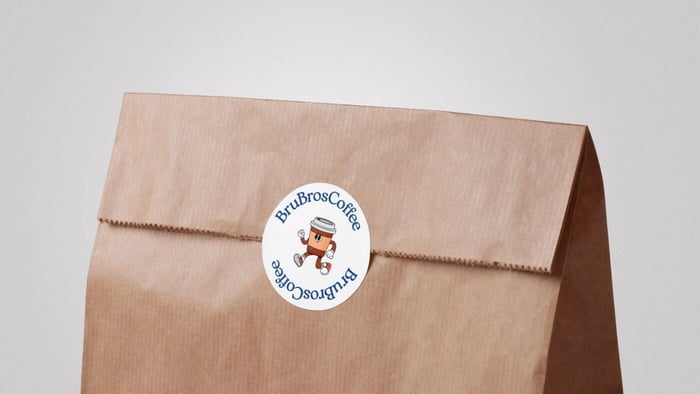
Best when you’re applying the same design over and over: product labels, bag seals, box branding, ingredient labels, barcode labels, and batch labels. If you’re doing any kind of volume, rolls save time and reduce chaos.
If you’re unsure, start with one “public” sticker (die cut) and one “operational” sticker (label roll or sheet). That combo covers most early-stage needs without overthinking it.
Material and finish choices that make a startup look legit
Sticker material is where quality shows up fast.
Vinyl is the standard for branded stickers you want people to keep. It’s thicker, handles wear better, and works well for outdoor or high-handling use. It’s a good fit when your plan involves water bottles, laptops, vehicles, helmets, or anything that gets touched constantly.
BOPP is commonly used for packaging labels because it’s thinner and flexible, which helps on curved containers and product packaging. It’s more “label” than “sticker swag,” and that’s fine.
Then you’ve got finish choices:
Matte looks modern and hides scuffs better
Gloss pops more and looks brighter in photos
Laminate helps with scratch resistance and longevity (worth it if you expect handling)
If you’re building a premium feel, finish consistency matters. A startup can get away with a simple logo. But a cheap-looking sticker finish makes everything feel cheaper, even if the product is great.
Design details that keep branding clean
This is the part people skip because it feels “design-y.” But it’s the difference between a sticker that looks professional and one that looks like a freebie.
A few practical rules:
Don’t put small text too close to the edge. Cutting tolerances are real.
Keep your main logo mark big enough to read from arm’s length.
Use high-resolution artwork. If it looks fuzzy on screen at 100%, it’ll look worse printed.
If you want QR codes, size them like you actually want them scanned. Tiny QR codes are a fun idea until nobody can scan them.
If you want a solid refresher on what makes a sticker design work (color, fonts, readability, and shape), this internal guide is worth a skim:
Design Tips for Eye-Catching Custom Stickers
Why CustomStickers works well for startups
Here’s what tends to matter most for founders and small teams, and where CustomStickers lines up.
Durability when you need it
For startups, stickers often end up on gear, packaging, or customer freebies. If you’re sending your brand out into the wild, you want vinyl that’s waterproof and protected, not something that looks tired after a week.
Options that match real workflows
Startups do a mix of stuff: a few shipments today, a craft show next weekend, an influencer kit next month, and a retail order later. Being able to order different formats (die cut, sheets, label rolls) without switching vendors is just easier.
Fast proofing and fewer surprises
The biggest hidden cost in branding is rework. If you have to reorder because the first run came out wrong, you didn’t just waste money. You wasted time, and startups don’t have extra time.
It scales
You can start small, learn what people actually use, and then scale into larger runs when you’re confident. That matters because your first “sticker idea” is rarely your best one.
And if you want more ideas on how to use stickers beyond just “put logo on box,” this post covers a bunch of practical use cases:
How to use Custom Stickers for your Small Business
A simple rollout plan for startup branding stickers
If you’re starting from zero, don’t order ten designs. Order two or three and make them earn their place.
One main logo sticker (die cut, matte or gloss)
This is your “people actually keep it” sticker.One packaging sticker (label roll or sheet)
Seal tissue paper, brand plain boxes, mark limited editions, or label samples.One optional utility sticker
Examples: QR code for reorders, support link, referral code, or “thank you” seal.
That’s enough to create a consistent look across shipping, events, and customer touchpoints. And it keeps you from having a drawer full of unused designs. We’ve all seen that drawer.
See why we're rated the top sticker maker!
Final thoughts
Startup branding is usually a messy mix of speed, budget, and trying to look established while you’re still figuring everything out. Startup branding stickers are one of the easiest wins because they’re tangible, flexible, and they show up everywhere: packaging, events, laptops, and products.
CustomStickers is a go-to because it fits that startup reality. You can print stickers that look clean, hold up in the real world, and scale as your brand grows. And you can do it without turning “order stickers” into a two-week project.