
Table of Contents
- TLDR
- What Are Restaurant To Go Labels?
- Why Use Restaurant To Go Labels on Takeout Packaging?
- 1. Brand Paper Takeout Bags
- 2. Seal Takeout Boxes and Containers
- 3. Identify Different Orders or Menu Items
- 4. Add Reheating and Storage Instructions
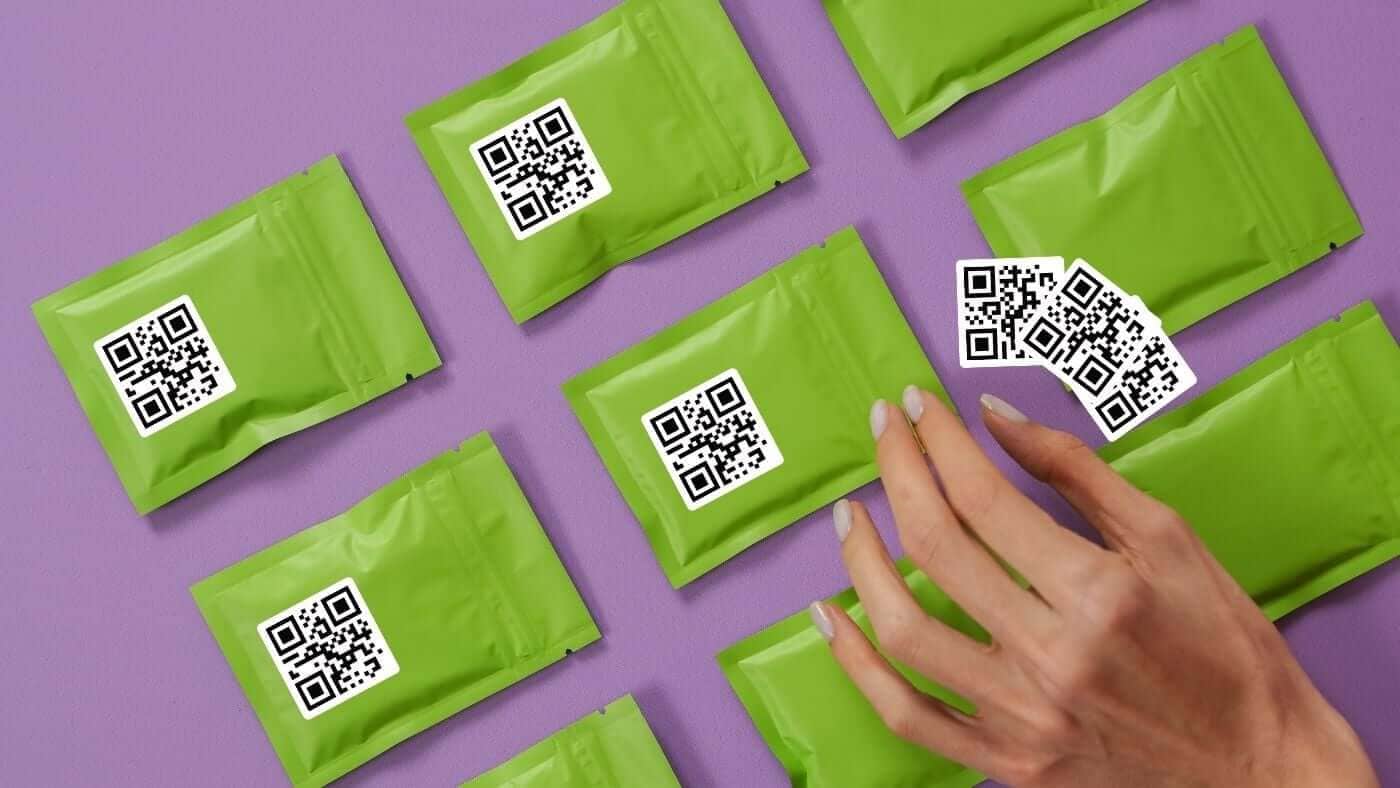
- 5. Add a QR Code
- 6. Use Different Labels for Limited-Time Menu Items
- 7. Brand Catering and Large Group Orders
- Why Roll Labels Make Sense in a Restaurant
- Paper vs. BOPP Restaurant To Go Labels
- Matte or Gloss?
- How to Design Restaurant To Go Labels That Actually Work
- Ordering Restaurant To Go Labels From CustomStickers.com
- A Note About Food and Allergen Labeling
- Small Label, Useful Job
- FAQs
A takeout order may only spend a few minutes on the counter, but the packaging still represents your restaurant. A plain paper bag can do the job. Add a clean, well-designed label, though, and the order feels more organized, more intentional, and much easier for a customer to recognize.
That is where restaurant to go labels earn their place. They can put your logo on a bag, close a box, help staff identify an order, add reheating instructions, or give customers a quick way to find your menu again. For restaurants that handle a steady stream of pickup and delivery orders, a small label can do several jobs without adding much complexity to the packing station.
TLDR
Restaurant to go labels can brand bags, boxes, cups, clamshells, bakery containers, and catering packages.
Roll labels are convenient for fast hand application and higher-volume restaurant use.
BOPP labels are a useful option when packaging may be exposed to moisture, oil, or condensation.
Keep the design simple enough to read quickly.
Use labels for branding, order identification, QR codes, handling notes, and exterior package seals.
Food-allergen and packaged-food labeling rules can be separate from your restaurant branding, so required information should be handled correctly for the type of food you sell.
What Are Restaurant To Go Labels?
Restaurant to go labels are custom adhesive labels made for takeout, pickup, delivery, catering, and other food-service packaging. Most restaurants use them on the outside of paper bags, cardboard boxes, plastic containers, cups, jars, or similar packaging.
The simplest version is just a logo sticker. But custom takeout labels can include much more than that. A restaurant might add an order name, a short thank-you message, reheating directions, a QR code, a flavor identifier, or a note such as “Keep Refrigerated.”
At CustomStickers.com, restaurant labels can be made in custom sizes and shapes and ordered on rolls. The restaurant to-go product uses full-color printing and offers BOPP options intended to stand up better to moisture and oil than basic paper labels. CustomStickers.com also offers matte and gloss finishes.
Why Use Restaurant To Go Labels on Takeout Packaging?
Takeout packaging is one of the last things a customer sees before eating your food. Restaurant to go labels give you a simple way to make that packaging feel connected to the restaurant instead of generic.
They are especially useful when the restaurant buys standard stock packaging. Instead of ordering custom-printed bags, boxes, and cups separately, you can use neutral packaging and add branding where it matters.
A label can also serve a practical purpose. Restaurant to go labels can bridge the top of a paper bag, close a bakery box, identify two similar entrees, or tell a customer which container contains the spicy version.
That does not mean every package needs three stickers and a paragraph of copy. Often, one clear label is enough.
1. Brand Paper Takeout Bags
One of the easiest uses for restaurant to go labels is a branded paper bag.
Place a round or custom-shaped label near the top of the bag where it is visible when the customer picks up the order. If the bag is folded over, the same label may also help hold the fold in place.
A basic bag label usually needs only:
restaurant logo
brand colors
short tagline, if you actually use one
website or social handle, if useful
Keep it clean. Customers already know there is food inside the bag.
2. Seal Takeout Boxes and Containers
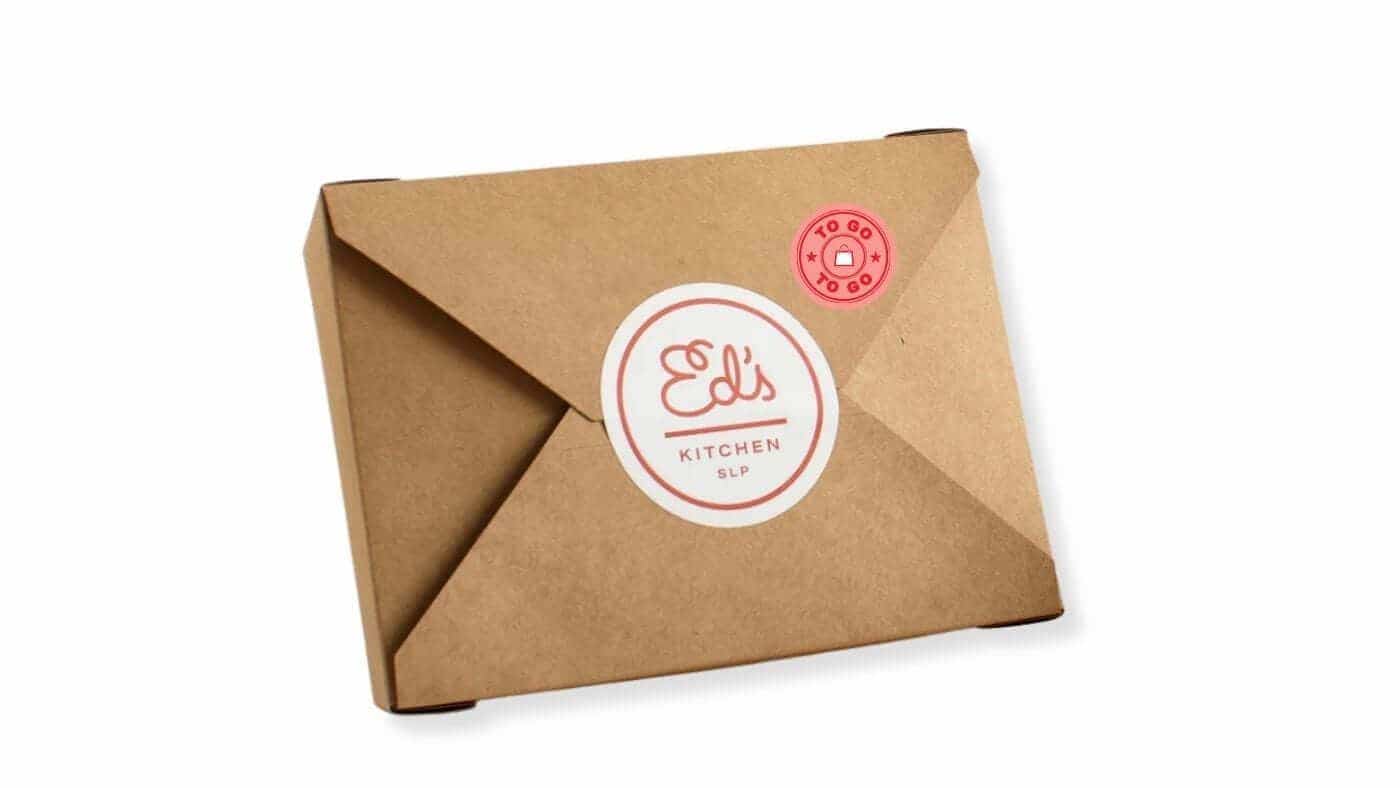
Restaurant to go labels can also be placed across the opening of a takeout box or clamshell container.
This is useful for packaging that tends to pop open or for restaurants that want a visible exterior closure during delivery. The label should bridge the lid and the lower part of the container so opening the package requires disturbing the label.
It is worth making an important distinction here: a normal custom label can function as an exterior package seal, but you should not describe a standard label as a certified tamper-evident security product unless it was specifically designed and tested for that purpose.
For basic restaurant packaging, the goal is often simpler. Keep the package closed, keep the branding visible, and make the handoff look organized.
3. Identify Different Orders or Menu Items
Busy kitchens can end up with six nearly identical containers lined up at once.
Restaurant to go labels can help staff and customers tell them apart.
You could create separate labels for:
mild, medium, and hot
chicken, beef, vegetarian, and vegan
dine-out meal kits
sauces and dressings
regular and gluten-free items
hot and cold items
individual names for group orders
Color coding can help, but do not rely on color alone when the distinction matters. Add clear text too.
A simple “HOT,” “VEG,” or “SAUCE” label is much faster to recognize than handwriting on several containers during a rush.
4. Add Reheating and Storage Instructions
Some takeout food is meant to be eaten immediately. Other food makes it home, goes into the refrigerator, and becomes tomorrow’s lunch.
Restaurant to go labels can give customers a short instruction without requiring a separate card.
Examples include:
“Keep refrigerated.”
“Reheat before serving.”
“Best served warm.”
“Shake well.”
“Sauce inside.”
If instructions get longer than a line or two, a larger label, printed insert, or QR code may work better. Tiny type on a two-inch sticker is not doing anyone a favor.
5. Add a QR Code
A QR code can turn restaurant to go labels into a useful post-purchase touchpoint.
Link the code to something customers might actually want:
online ordering
current menu
loyalty program
catering page
reheating instructions
nutrition or ingredient information
feedback page
Avoid sending every QR code to the homepage by default. Give the customer a reason to scan it.
And test the printed code at the actual label size before placing a large order. A QR code that worked perfectly on a computer monitor may become difficult to scan when it is reduced too far.
6. Use Different Labels for Limited-Time Menu Items
You do not necessarily need new packaging every time the menu changes.
Restaurant to go labels are an easy way to distinguish seasonal drinks, limited sandwiches, holiday baked goods, special sauces, or temporary menu items while keeping your normal containers.
This can be useful for restaurants that want packaging to change with the promotion without committing to thousands of custom-printed boxes.
The label becomes the flexible part of the package.
7. Brand Catering and Large Group Orders
Catering creates a different packaging problem. There may be several trays, sauces, sides, desserts, serving utensils, and heating instructions in one order.
Restaurant to go labels can help identify each piece while keeping the presentation consistent.
For example:
“Chicken Alfredo - Tray 1 of 2”
“Vegetarian”
“Serve Cold”
“Dessert”
“Utensils + Napkins”
This is a good place to combine branding with useful information. Put the restaurant logo at the top, then make the item description large enough to read without picking up every container.
Why Roll Labels Make Sense in a Restaurant
A restaurant packing station needs to move quickly. That is one reason restaurant to go labels on rolls can be practical.
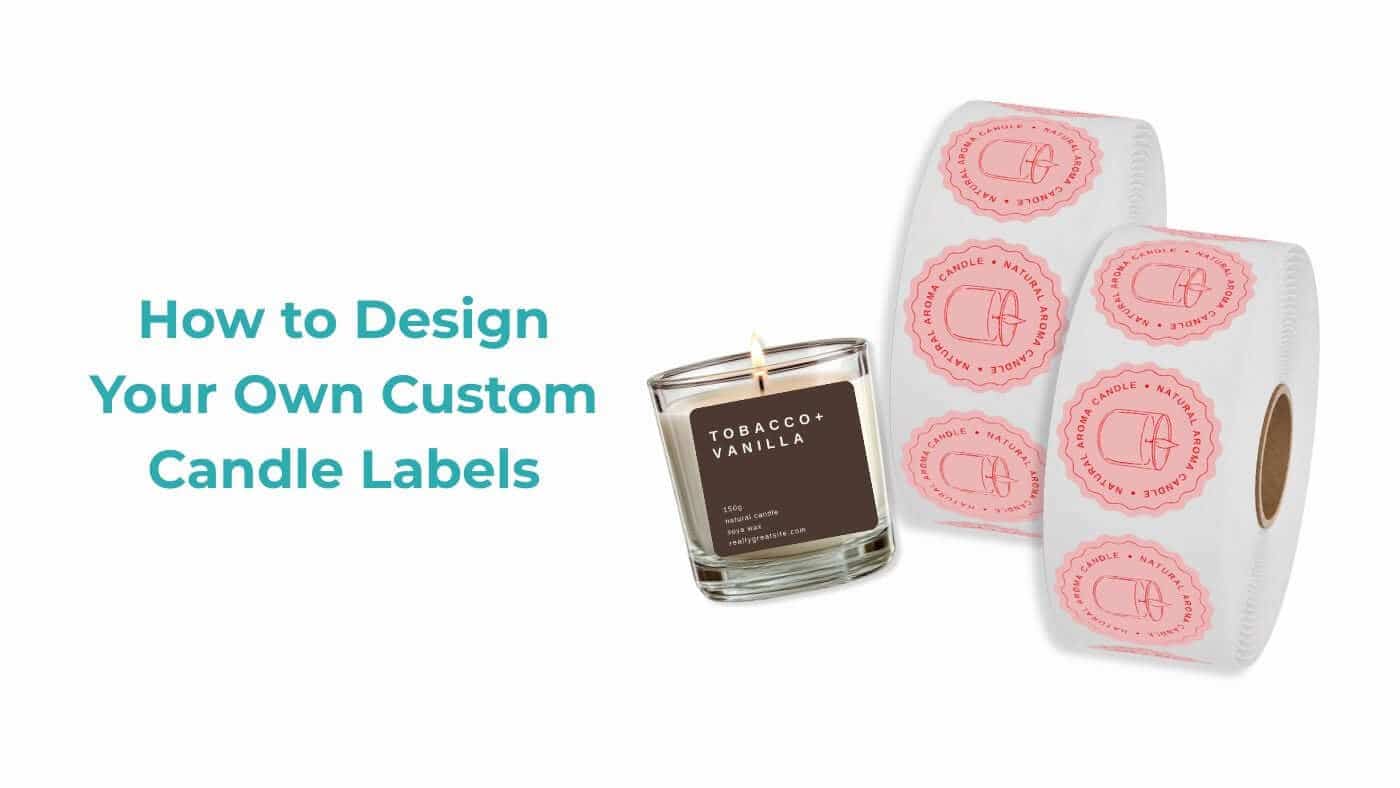
Rolls are compact, easy to keep near the packing area, and simple to peel one label at a time. They can also work with label dispensers when a restaurant wants an even faster setup.
CustomStickers.com offers restaurant to go labels on rolls and can produce custom shapes rather than limiting restaurants to circles or rectangles. The company also offers BOPP materials for applications where water, oil, or general food-service handling may be an issue.
All label roll orders at CustomStickers.com currently include additional processing time, so restaurants planning for an event, opening, or packaging change should order before the labels are urgently needed.
Paper vs. BOPP Restaurant To Go Labels
Material matters because restaurant packaging does not always stay clean and dry.
Paper can make sense for dry, short-term indoor packaging. Think bakery boxes, dry paper bags, or packaging that will be handed directly to the customer.
BOPP is a plastic label material. For restaurant to go labels that may encounter condensation, refrigeration, splashes, or oily packaging, it is often the more forgiving choice.
CustomStickers.com lists its plastic BOPP restaurant labels as resistant to water and oil. That can be useful for cold drink containers, refrigerated foods, sauce jars, delivery bags, and other packaging that is likely to see more handling.
The right choice depends on where the label will actually be placed. There is no reason to pay for more durability than the job needs, but there is also little benefit in putting a basic paper label onto a container that will immediately become wet with condensation.
Matte or Gloss?
Finish is mostly a design choice.
Gloss tends to give colors a shinier, more reflective appearance. It can work well for bright logos, colorful food photography, and bold branding.
Matte has less reflection and can give restaurant to go labels a softer look. It is often a good fit for simple logos, natural-food branding, coffee shops, bakeries, and designs with a lot of text.
Neither option is automatically better. Pick the finish that fits the packaging and design.
How to Design Restaurant To Go Labels That Actually Work
Restaurant labels usually get only a few seconds of attention, so clarity matters more than squeezing every bit of information onto them.
Start with the main job of the label.
If it is a branding label, make the logo dominant.
If it identifies an entree, make the entree name dominant.
If it contains reheating instructions, make those instructions easy to read.
For most restaurant to go labels, a strong hierarchy looks something like this:
Logo or item name
Essential message
Optional website, QR code, or short secondary text
Use enough contrast between the background and text. Avoid extremely thin fonts. And view the design at its actual printed size before approving it.
A label can look wonderfully spacious at 400% zoom and turn into microscopic chaos when printed at two inches.
Ordering Restaurant To Go Labels From CustomStickers.com
CustomStickers.com has a dedicated Restaurant To-Go Labels product for restaurants, cafes, bakeries, diners, food trucks, catering companies, ghost kitchens, and other food businesses.
You can upload your own artwork, select the size and quantity, and choose a finish. Custom shapes are available, so restaurant to go labels can follow a logo or another simple custom outline rather than using only standard shapes.
CustomStickers.com also provides an online proof before production. That gives you a chance to check the shape, artwork, and general setup before the labels are printed.
For restaurants that reorder the same packaging labels regularly, roll labels can become a simple supply item: keep a roll at the packing station, reorder before it runs low, and use the same branding across pickup, delivery, and catering orders.
A Note About Food and Allergen Labeling
Restaurant to go labels are great for branding and operational information, but restaurants should be careful about treating a marketing label as a complete food-compliance label.
FDA allergen-labeling requirements apply to many packaged foods and identify nine major food allergens: milk, egg, fish, crustacean shellfish, tree nuts, wheat, peanuts, soybeans, and sesame. The rules also distinguish between foods packaged and labeled for sale and foods placed in a wrapper or container after a customer orders them at the point of purchase.
Requirements can depend on how food is packaged, sold, and regulated, so restaurants selling packaged products should confirm which federal, state, and local rules apply to them.
In other words, adding “Contains: Milk” to restaurant to go labels can be useful when appropriate, but a custom branding label by itself does not automatically satisfy every labeling requirement that may apply to a packaged food.
Small Label, Useful Job
Takeout packaging does not need to be complicated to feel intentional.
Restaurant to go labels can turn stock bags and boxes into branded packaging, make orders easier to identify, carry short customer instructions, and help close packages before pickup or delivery.
The key is to decide what each label is supposed to do.
Keep the design readable. Choose a material that fits the environment. Give staff a format that is fast to apply. And use restaurant to go labels where they genuinely make the takeout experience clearer or more consistent.
For restaurants ready to create their own, CustomStickers.com offers custom restaurant to go labels on rolls with custom sizes, shapes, BOPP material options, matte or gloss finishes, and online proofs before production.
FAQs
What size should restaurant to go labels be?
Two to three inches works for many basic logos and package seals, but the right size depends on the container. A large catering box may need a larger label, while a sauce cup may need something much smaller.
Can restaurant to go labels get wet?
The material matters. BOPP labels are a better choice than plain paper when the packaging may be exposed to condensation, water, oil, or refrigeration.
Can I put restaurant labels on paper bags?
Yes. Paper takeout bags are one of the most common places to use restaurant to go labels. Apply the label to a clean, dry section of the bag for the best adhesion.
Can I put a QR code on my labels?
Yes. QR codes can link customers to your menu, ordering page, loyalty program, instructions, or another useful page. Test the code at final printed size.