
Table of Contents
- TLDR
- Small Packaging Details Matter
- 1. Seal Tissue Paper
- 2. Brand Plain Shipping Boxes
- 3. Add Thank-You Messages
- 4. Include a Free Sticker Customers Can Keep
- 5. Label Product Bundles
- 6. Share Product Care Instructions
- 7. Create Seasonal Packaging
- 8. Mark Limited Editions
- 9. Seal Glassine Bags and Envelopes
- 10. Use Sticker Sheets as Inserts
- 11. Add QR Codes
- 12. Organize Inventory and Variants
- 13. Add Safety, Warning, or Info Labels
- 14. Upgrade Market and Event Orders
- 15. Test Packaging Ideas Before Buying Custom Boxes
- How to Choose the Right Sticker Type
- Design Tips for Packaging Stickers
- Common Packaging Sticker Mistakes
- A Simple Sticker System for Small Businesses
- Conclusion
- FAQs
TLDR
Packaging stickers are a simple way to make orders feel more polished without switching to fully custom boxes or bags.
Use them to seal tissue paper, brand shipping boxes, add thank-you messages, label bundles, share care instructions, or include a free sticker customers can keep.
Start with one or two useful sticker designs, then build a small packaging system that supports your products, brand, and fulfillment process.
Small Packaging Details Matter
The product is what the customer paid for. The packaging is what they experience first.
That first moment matters. A plain box can still deliver a great product, but a few thoughtful details can make the order feel more complete. Packaging stickers are one of the easiest ways to add those details without making fulfillment harder.
They work because they are flexible. You can use packaging stickers on tissue paper, boxes, mailers, product bags, jars, bottles, thank-you cards, envelopes, bundles, and customer freebies. They can be practical, decorative, or both.
A sticker can seal a package. It can explain what is inside. It can add a brand mark. It can give the customer something extra to keep.
And for small businesses, that flexibility is useful. You do not need to order custom printed boxes for every product size. You can start with simple packaging supplies and use stickers to make the order feel intentional.
Here are 15 practical ways to use custom stickers for packaging.
1. Seal Tissue Paper
Tissue paper is common for apparel, candles, jewelry, stationery, handmade goods, beauty products, and giftable items. A sticker turns that tissue wrap into a finished presentation.
A simple round logo sticker or thank-you seal works well here. It does not need to be oversized. A small sticker in the center of the fold is often enough.
This is one of the easiest uses for packaging stickers because it improves the unboxing experience without adding much time to packing.
2. Brand Plain Shipping Boxes
Fully custom boxes can look great, but they are not always practical for small businesses. They cost more, take up storage space, and may require larger order quantities.
Packaging stickers are a simpler option.
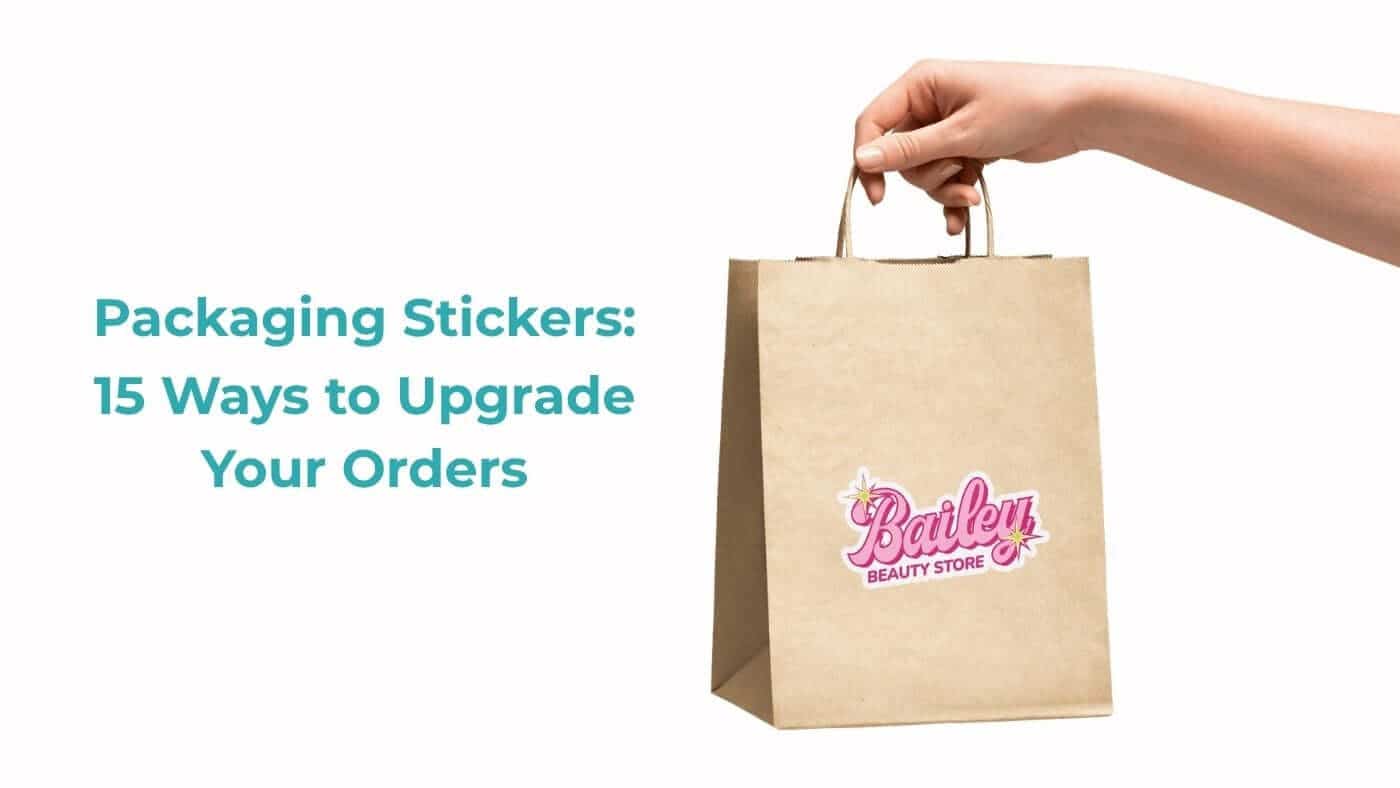
Add a logo sticker to the top of a kraft mailer, shipping box, or rigid mailer. You can also place a sticker across the box flap as a branded seal.
This gives plain packaging a cleaner look while keeping your supply setup flexible.
3. Add Thank-You Messages
A thank-you sticker is small, but it can make the package feel warmer.
Try simple wording like:
Thank you for your order
Packed with care
Thanks for supporting our small business
Made for you
We appreciate you
These stickers work well on tissue paper, glassine bags, product sleeves, thank-you cards, and interior box flaps.
Keep the message short. The goal is not to write a full note on a sticker. The goal is to add a quick, human touch.
4. Include a Free Sticker Customers Can Keep
Some packaging stickers stay on the package. Others become part of the customer experience after the box is opened.
A free sticker can be a small bonus inside the order. Customers may place it on a laptop, water bottle, phone case, notebook, toolbox, cooler, mirror, or planner.
The best free stickers usually do more than show a logo. They give the customer a reason to use them. That might be a phrase, mascot, icon, illustration, inside joke, or design that fits your audience.
For this type of insert, custom vinyl stickers are a good fit because they are made to be used beyond the package.
5. Label Product Bundles
Bundles can be useful, but they need to be clear.
Use packaging stickers to label product sets, kits, sample packs, seasonal boxes, limited collections, and gift bundles. A sticker can say:
Starter kit
Gift set
Sample pack
Limited bundle
Holiday collection
New arrival
This helps customers understand what they ordered. It also helps your packing team keep similar products organized.
6. Share Product Care Instructions
Care instructions do not always need a separate card.
For short reminders, a sticker can work well. Use packaging stickers for simple notes like:
Hand wash only
Keep refrigerated
Store in a cool place
Burn within sight
Shake before use
Remove protective film
Fragile: handle with care
For detailed instructions, use an insert card or product label. But for quick reminders, stickers are clean and efficient.
7. Create Seasonal Packaging
Seasonal packaging does not have to mean changing every supply.
A holiday sticker, spring collection seal, summer launch sticker, Halloween label, or limited winter design can make standard packaging feel fresh. This is useful for businesses that want seasonal presentation without storing separate boxes, bags, and mailers for every campaign.
Seasonal packaging stickers also help repeat customers notice that something has changed.
8. Mark Limited Editions
If a product is limited, make that clear.
Packaging stickers can call out:
Limited edition
Small batch
Market exclusive
Seasonal release
New drop
Only this month
This works well for candles, coffee, sauces, snacks, apparel, prints, handmade goods, and subscription boxes.
Just keep the claim accurate. If the product is not actually limited, do not label it that way.
9. Seal Glassine Bags and Envelopes
Glassine bags, small paper envelopes, and product sleeves are easy to upgrade with stickers.
This is useful for artists, stationery shops, sticker brands, jewelry makers, seed sellers, pin shops, patch sellers, and small craft businesses.
A small seal can make a simple envelope feel like part of the brand instead of basic packing material. It also helps keep small items secure and organized inside the order.
10. Use Sticker Sheets as Inserts
A sticker sheet can feel more substantial than a single sticker.
Use sticker sheets when you want to include several small designs in one package. A sheet might include a logo, mascot, thank-you sticker, care icon, seasonal graphic, and small decorative stickers.
Sticker sheets are especially useful for stationery brands, artists, kids’ products, subscription boxes, creative shops, and brands with a strong visual identity.
They also make the insert feel collectible.
11. Add QR Codes
QR code packaging stickers can connect the physical order to useful online information.
Use QR codes for:
Product care guides
Reorder pages
Setup videos
Review pages
Loyalty programs
Ingredient information
Warranty details
Social media pages
Make sure the QR code is large enough to scan. Test it on the actual sticker size before ordering. A QR code that does not scan is not helping anyone.
12. Organize Inventory and Variants
Packaging stickers can help behind the scenes too.
Use them to mark product variants, sizes, colors, scents, flavors, batches, or categories. This is especially helpful when products look similar in storage but need to be packed correctly.
For example, a candle brand may use small stickers to mark scent names. A skincare brand may use stickers to separate product sizes. A coffee brand may use roast-level stickers for different bags.
This kind of sticker system can reduce packing mistakes and make fulfillment smoother.
13. Add Safety, Warning, or Info Labels
Some products need extra information.
Candles may need safety labels. Food products may need storage notes. Bath products may need usage reminders. Fragile items may need handling labels. Apparel may need size or care labels.
For regulated products, check the rules for your category before printing. But for simple supporting information, packaging stickers can keep important details visible without crowding the main design.
Use custom labels when the sticker needs to function more like a product label than a decorative packaging piece.
Circle Roll Labels
$60.99
Description Whirling wonders, spinning spectacles, round revelations – behold the mesmerizing magic of Circle Roll Labels! Like a kaleidoscope of creativity, these stunning circular marvels emerge from their roll, eager to make their mark in the world. With versatility that… read more

14. Upgrade Market and Event Orders
At markets and events, packaging has to work quickly.
Customers may buy the item and carry it around for the rest of the day. A sticker on the bag, box, sleeve, or product wrap helps the order feel finished before the customer leaves the booth.
Use packaging stickers on:
Paper shopping bags
Bakery bags
Candle boxes
Soap sleeves
Jewelry cards
Gift boxes
Product envelopes
Thank-you cards
This gives in-person orders the same thoughtful feel as online orders.
15. Test Packaging Ideas Before Buying Custom Boxes
Packaging stickers are great for testing.
Before ordering custom printed boxes, pouches, sleeves, or mailers, try the design as a sticker. Test logo placement. Test colors. Test message ideas. Test seasonal artwork. Test different shapes.
This keeps your packaging flexible while you figure out what works.
If a design performs well, you can keep using it. If it feels wrong, you can change the sticker without being stuck with thousands of printed boxes.
How to Choose the Right Sticker Type
The right sticker depends on the job.
Use die cut stickers for logos, mascots, illustrations, and free customer inserts.
Use kiss cut stickers when you want easier peeling and a polished backing.
Use circle stickers for seals, lids, bags, tissue paper, and thank-you messages.
Use rectangle stickers for instructions, QR codes, bundle labels, product notes, and packaging details.
Use sticker sheets when you want several designs on one backing sheet.
Use roll labels when you need to apply the same label repeatedly during product packaging.
The main point is simple: match the sticker format to the use. One sticker type does not need to handle every packaging job.
Design Tips for Packaging Stickers
Good packaging stickers are clear, readable, and easy to apply.
Start with one main idea. A logo sticker should focus on the logo. A thank-you sticker should focus on the message. A QR code sticker should make the QR code easy to scan.
Keep the design simple. Use strong contrast. Avoid tiny text. Leave enough space around the edges. Choose a shape that fits the surface.
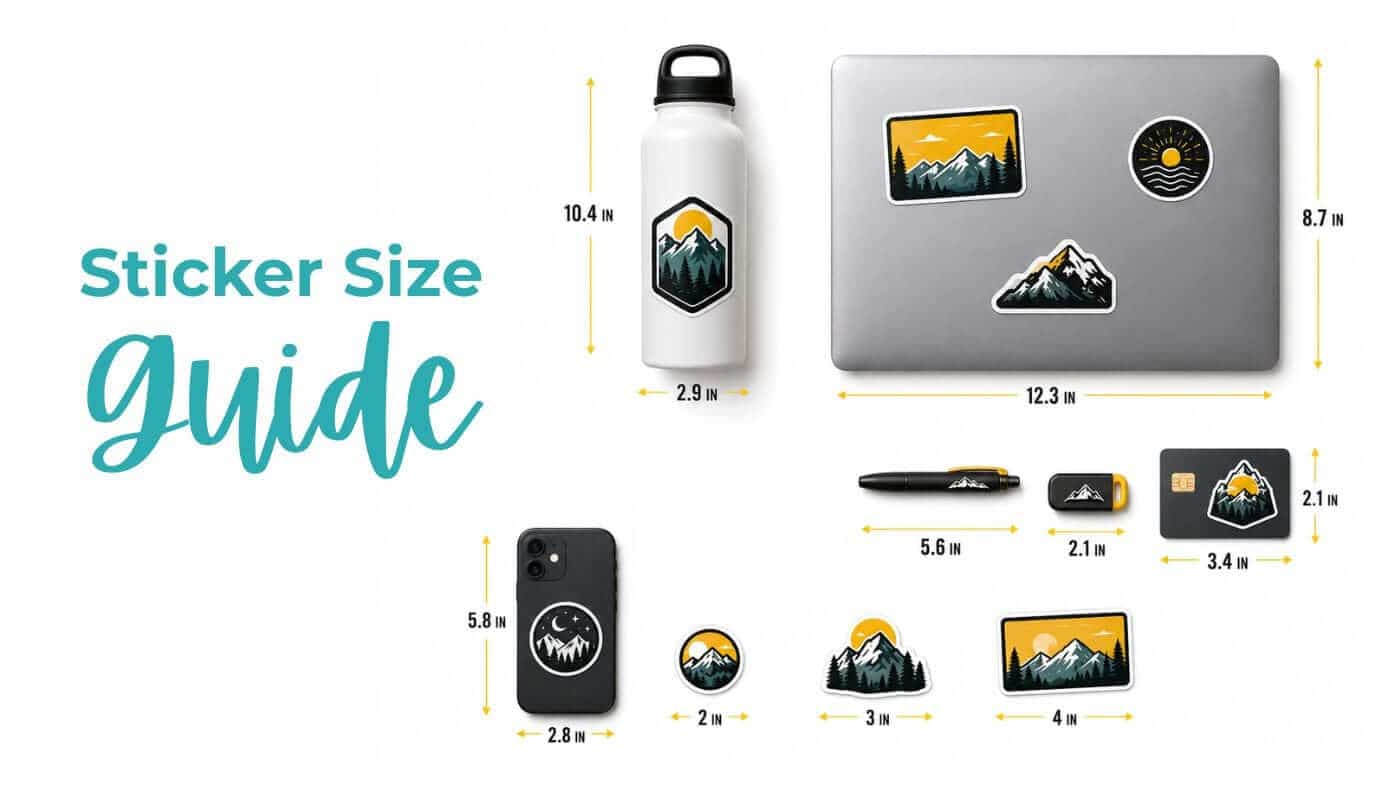
A two-inch sticker is a good starting size for seals and inserts. Larger stickers work well on boxes and bags. Smaller stickers are better for product variants, care notes, and inventory labels.
Before ordering, print the design at actual size on regular paper. Cut it out and place it on the package. This quick test helps catch size, spacing, and readability issues before printing.
Common Packaging Sticker Mistakes
The most common mistake is trying to say too much.
A sticker does not need to carry the whole brand story. It should support the package and make one thing clearer or better.
Avoid these mistakes:
Using low-resolution artwork
Making text too small
Choosing poor contrast
Putting important details too close to the edge
Using one sticker size for every package
Forgetting to test the sticker on the actual box, bag, or product
Using a delicate material where moisture or handling is expected
Adding claims that are not accurate
Including a QR code that is too small to scan
Sending the exact same freebie forever
Simple usually works better. The best packaging stickers are useful first and decorative second.
A Simple Sticker System for Small Businesses
You do not need a large sticker lineup to improve your packaging.
Start with three basics:
A logo sticker
A thank-you sticker
A free customer sticker
That gives you a simple system. The logo sticker brands the package. The thank-you sticker adds warmth. The free sticker gives the customer something to keep.
From there, add more only when there is a clear reason. Seasonal stickers, care labels, bundle labels, QR code stickers, and product variant stickers can all be useful, but they should solve specific problems.
Good packaging is easier to repeat. Keep the system simple enough that your team can use it on busy days.
Conclusion
Custom stickers for packaging are small details with practical value.
They can seal tissue paper, brand boxes, organize products, add thank-you messages, share care instructions, mark seasonal releases, and give customers something extra to keep. They also let small businesses improve packaging without switching to expensive custom boxes or complicated supplies.
Start with one useful sticker. Add more when the need is clear.
The strongest packaging stickers are not just decoration. They make orders clearer, more personal, and easier to remember.
FAQs
What are packaging stickers used for?
Packaging stickers are used to seal tissue paper, brand boxes, add thank-you messages, label products, organize variants, share care instructions, and include small customer freebies.
Are custom stickers good for small business packaging?
Yes. Custom stickers are useful for small business packaging because they can upgrade plain boxes, bags, mailers, and envelopes without requiring fully custom packaging.
What size should packaging stickers be?
A two-inch sticker is a good starting point for seals and inserts. Larger stickers work well for boxes and bags. Smaller stickers are better for product details, care notes, and variant labels.
Should I use stickers or labels for packaging?
Use stickers for branding, inserts, seals, and decorative packaging. Use labels when you need repeated product information, roll application, ingredients, care details, or structured product labeling.
Should I include free stickers in customer orders?
Free stickers can be a smart packaging insert if the design fits your audience. The best free stickers are useful, durable, and interesting enough for customers to keep.