
Table of Contents
- Introduction
- What Is the Post-Purchase Experience?
- Why This Stage Has So Much Influence
- Clear Communication Reduces Anxiety
- Packaging Is Part of the Product Experience
- Branded Stickers Make the Experience More Memorable
- Small Extras Can Encourage Repeat Purchases
- Use Labels to Make Reorders Easier
- The Unboxing Moment Is a Trust Signal
- Post-Purchase Support Can Save the Relationship
- Ask for Reviews at the Right Time
- The Post-Purchase Experience Checklist
- Simple Post-Purchase Ideas by Business Type
- What to Avoid After the Sale
- Final Thoughts
- FAQs
The post-purchase experience is everything that happens after a customer places an order. It includes confirmation emails, shipping updates, packaging, delivery, unboxing, follow-up messages, support, and reorder reminders.
This stage matters because it shapes whether a customer trusts your brand enough to buy again.
Small touches like clear communication, branded packaging, useful inserts, and custom stickers can make an order feel more thoughtful without making fulfillment complicated.
Introduction
A customer’s opinion of your brand does not freeze the moment they click “buy.”
In many cases, that is when the real judgment starts. They wonder if the order went through. They check for tracking. They notice how the package looks when it arrives. They open it and decide, sometimes without thinking too hard about it, whether the experience felt careful or forgettable.
That is why the post-purchase experience matters. It is the part of the customer relationship that happens after the sale, and it has a big influence on repeat purchases, reviews, referrals, and customer trust.
A strong product can still feel disappointing if the order experience is confusing. A simple product can feel polished when the packaging, updates, and follow-up are handled well. For small businesses, this is good news. You do not need a huge operations team to improve the post-purchase experience. You need a few clear systems and a little attention to the details customers actually notice.
What Is the Post-Purchase Experience?
The post-purchase experience includes every customer touchpoint after an order is placed.
That usually includes:
Order confirmation
Payment confirmation
Shipping or pickup updates
Tracking information
Delivery timing
Packaging
Product presentation
Instructions or care cards
Thank-you notes
Customer support
Review requests
Reorder reminders
Returns or exchange support
Some of these touchpoints are digital. Others are physical. Both matter.
An email can reassure a customer that their order is being handled. Packaging can make the product feel more valuable. A small insert can answer a question before the customer has to ask. A custom sticker can turn a simple package into something that feels branded and personal.
The post-purchase experience is not one grand gesture. It is a series of small moments that either build confidence or create friction.
Why This Stage Has So Much Influence
Before someone buys, they are evaluating your promise. After they buy, they are evaluating your follow-through.
That shift matters.
Marketing can get someone interested. A clean website can help them order. But the post-purchase experience tells them what kind of business they actually bought from.
Did the confirmation email arrive quickly? Was the shipping timeline clear? Did the product arrive safely? Did the packaging match the quality of the product? Was it easy to get help if something went wrong?
Customers may not describe it in those exact terms, but they feel it.
A good post-purchase experience can lead to:
More repeat purchases
Better reviews
Fewer “where is my order?” messages
Higher customer confidence
More word-of-mouth referrals
Better unboxing photos and social sharing
Less buyer’s remorse
A stronger brand memory
That last point is easy to overlook. Most customers forget average transactions. They remember the ones that felt especially smooth, thoughtful, or frustrating.
You want to be in the first group.
Clear Communication Reduces Anxiety
Once someone has paid, uncertainty feels different.
Before purchase, uncertainty may stop someone from buying. After purchase, uncertainty can make them regret buying.
That is why clear communication is one of the simplest ways to improve the post-purchase experience. Customers should know what happened, what happens next, and when they should expect an update.
A strong post-purchase communication flow might include:
An order confirmation email
A processing or production update, if needed
A shipping confirmation email
Tracking details
Delivery confirmation
A follow-up message after the product arrives
Not every business needs every message. A digital product, local pickup order, and custom printed product all have different communication needs.
But the principle is the same: do not make customers guess.
For custom products, communication matters even more because buyers know there may be a proofing or production step. If your business offers custom printed products, set expectations around artwork, approval, processing, shipping, and delivery. Customers are usually much more patient when the process is clear.
Packaging Is Part of the Product Experience
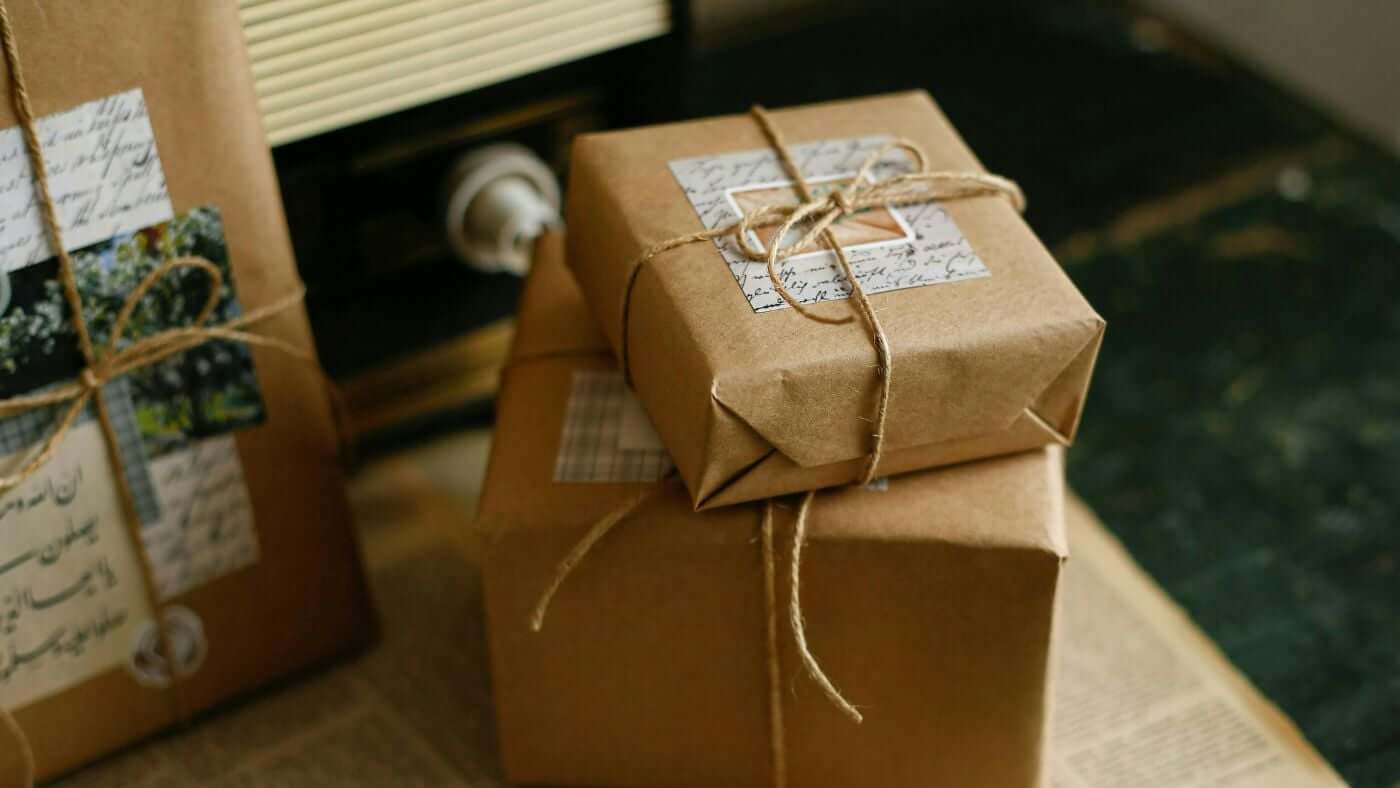
Packaging is not just a container. It is part of the product experience.
A customer sees the package before they see the product. That first physical impression sets the tone. If the packaging is damaged, confusing, messy, or plain in a careless way, the product has to work harder to recover.
This does not mean every business needs expensive custom boxes. Most do not.
A simple package can still feel polished with:
Clean labels
Branded seals
A short thank-you card
Protective materials that fit the product
A clear packing slip
A small care card
A custom sticker inside the order
For many small businesses, custom stickers are one of the easiest ways to add a branded touch without redesigning the entire packaging setup. A sticker on tissue paper, a shipping box, an insert card, or a product sleeve can make the order feel more intentional.
The key is restraint. A package should feel thoughtful, not overstuffed.
Branded Stickers Make the Experience More Memorable
Stickers work especially well in the post-purchase experience because they are small, flexible, and useful across many types of packaging.
A sticker can be decorative, practical, or promotional. Sometimes it is all three.
Common post-purchase sticker uses include:
Package seals
Thank-you stickers
Product labels
QR code stickers
Care instruction stickers
Limited-edition order extras
Loyalty reward stickers
Event or seasonal packaging
“Packed with care” seals
Social handle reminders
For example, a candle brand might use a round sticker to seal tissue paper. A bakery might use a branded label on a box. An apparel brand might include a die cut logo sticker as a free extra. A skincare brand might add a care instruction sticker to the inside of a mailer.
If your goal is packaging organization, custom labels may be the better fit. If your goal is a keepsake, giveaway, or brand extra, individual stickers usually make more sense.
That distinction is useful. Labels help identify and organize. Stickers help people remember and share.
Small Extras Can Encourage Repeat Purchases
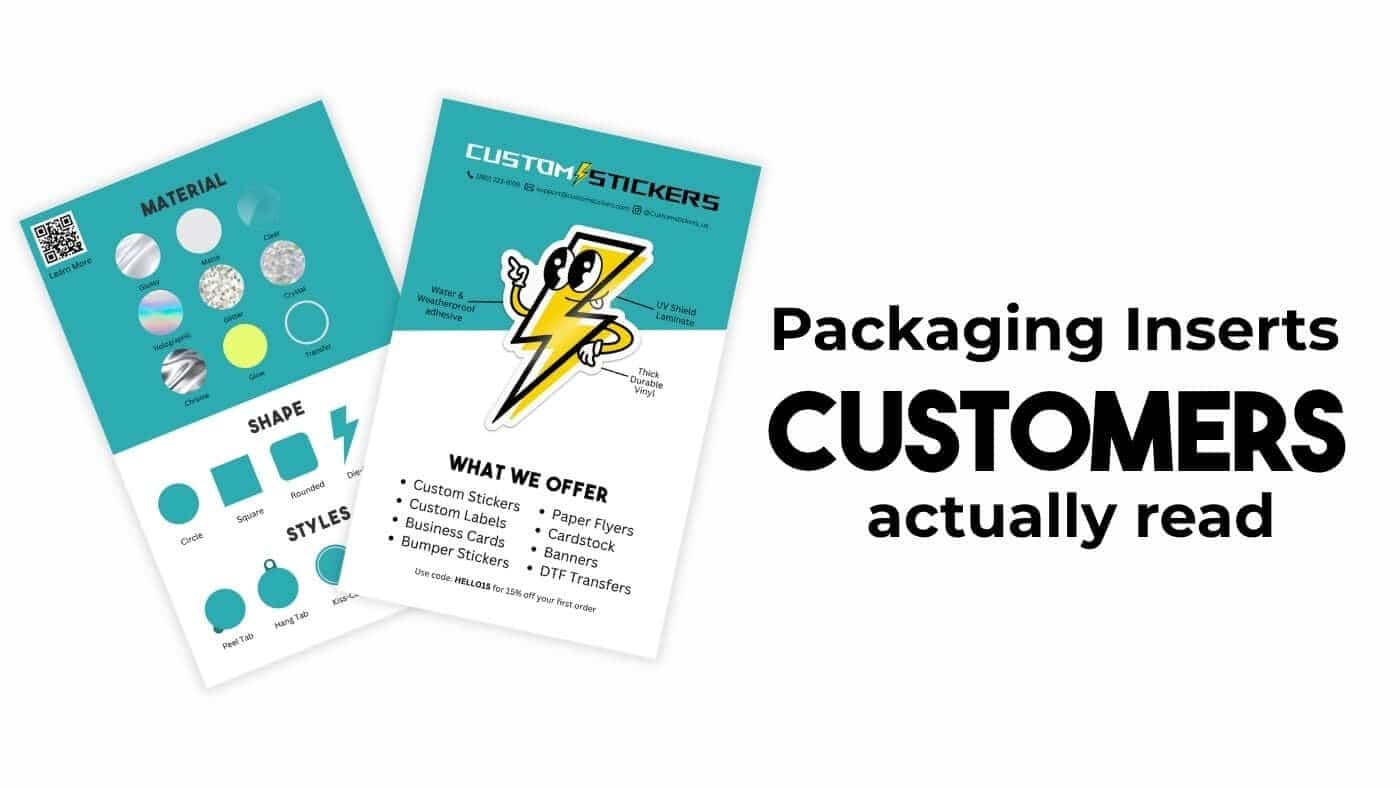
A post-purchase insert does not need to be complicated. In fact, simple is usually better.
The best inserts help the customer take the next step without feeling pushed.
Useful insert ideas include:
A thank-you note
A reorder discount code
Care instructions
A product use guide
A QR code to a tutorial
A review request
A referral card
A small sticker
A loyalty card
A recommended next product
Think about what the customer needs at that moment. Someone who just bought a water bottle sticker may need application tips. Someone who bought a candle may need burn instructions. Someone who bought a food product may need storage guidance. Someone who bought handmade goods may appreciate a short note about how the item was made.
A helpful insert makes the purchase feel supported. A pushy insert feels like more marketing.
The difference is tone and timing.
Use Labels to Make Reorders Easier
Reorders are often won or lost after the first order.
If a customer likes a product but cannot remember the exact size, scent, flavor, finish, or variation, they may not bother searching for it again. Clear labeling solves part of that problem.
For product-based businesses, labels should make key details easy to find:
Product name
Variant or flavor
Size
Use instructions
Batch or production details
QR code or reorder link
Website or brand name
This is where roll labels for packaging can help. They make repeated application easier, especially for businesses that package products in batches.
A good label does not just make the first order look better. It can also make the second order easier.
The Unboxing Moment Is a Trust Signal
Unboxing does not have to mean elaborate tissue paper, ribbons, and custom boxes. For most brands, that would be too much.
A good unboxing experience simply means the customer opens the package and feels like the business cared.
That can come from:
The product arriving safely
The packaging being clean
The product being easy to identify
The presentation matching the price
Instructions being included when needed
No avoidable mess or confusion
A small branded detail that feels intentional
This matters because customers often judge quality before they use the product. A carefully packed order suggests that the business is careful in general. A sloppy package suggests the opposite, even if the product itself is good.
Not always fair, but very real.
Post-Purchase Support Can Save the Relationship
Something will eventually go wrong.
A package gets delayed. A customer enters the wrong address. A product arrives damaged. A size is not what they expected. A proof gets missed. A label peels because the surface was dirty. A customer is confused about application.
The post-purchase experience includes how you handle those moments.
Good support is clear, calm, and practical. It should tell the customer what can be done, what information is needed, and what happens next.
A simple support message might say:
“Thanks for letting us know. Please send a photo of the item and packaging so we can take a closer look. Once we review it, we’ll let you know the next step.”
That is not fancy. It is just clear.
Customers do not expect every business to be perfect. But they do notice whether a business responds like it has a process.
Ask for Reviews at the Right Time
Reviews are a post-purchase touchpoint too.
Ask too early, and the customer may not have received or used the product yet. Ask too late, and the purchase is no longer fresh.
The best timing depends on the product. A sticker order might be ready for review soon after delivery. A skincare product may need more time. A food product may be reviewed quickly if it is consumed right away. A product that requires installation may need a longer window.
A good review request should be short and specific.
For example:
“Thanks again for your order. If everything arrived as expected, we’d really appreciate a quick review. It helps other customers know what to expect.”
That is enough.
You can also include a small card in the package with a QR code that leads to the review page. A custom QR code sticker can work well on inserts, mailers, or product packaging when you want the link to be easy to scan.
The Post-Purchase Experience Checklist
Here is a simple checklist for improving the experience after someone orders.
Communication
Does the customer get an order confirmation?
Is the timeline clear?
Are production or shipping steps explained?
Is tracking easy to find?
Are delays communicated quickly?
Packaging
Does the product arrive safely?
Is the packaging clean and appropriate?
Is the product easy to identify?
Does the packaging match the brand?
Is there a small branded detail?
Inserts and Extras
Is there a thank-you note or helpful insert?
Are instructions included if needed?
Is there a reorder path?
Is there a review request?
Would a sticker or label improve the experience?
Support
Is it easy to contact the business?
Are common questions answered?
Is there a clear process for issues?
Are support responses calm and useful?
Retention
Is there a reason to come back?
Is the next purchase easy to understand?
Are reorder details clear?
Is the customer invited to stay connected?
You do not need to fix everything at once. Start with the parts that create the most customer confusion or the most missed opportunities.
Simple Post-Purchase Ideas by Business Type
Different businesses need different post-purchase touches.
A skincare brand might include a usage card, batch label, and product routine suggestion.
A coffee roaster might include tasting notes, brew tips, and a reorder QR code.
A bakery might use circle stickers on boxes, bags, or thank-you cards to make local orders feel more finished.
An Etsy shop might include a small branded sticker, care instructions, and a short handwritten note.
A subscription box business might use branded seals, product guide cards, and a simple reorder or referral offer.
A clothing brand might include a die cut logo sticker and a care card.
A local service business might leave behind a sticker, magnet, or service reminder label after the job is complete.
The format changes, but the goal stays the same: make the customer feel confident that they made a good choice.
Circle Stickers
$21.99
Description Custom Circle Stickers Custom Stickers are the full-color, contour-shaped classic. Our circle stickers are a fast and easy way to promote your business, brand, or event. Printed on generously thick, durable vinyl with a weatherproof laminate coating - your stickers are… read more

What to Avoid After the Sale
A weak post-purchase experience usually comes from neglect, not bad intentions.
Common mistakes include:
Sending no confirmation or unclear confirmation
Making customers ask for tracking
Using packaging that feels careless
Including too many inserts
Making review requests too aggressive
Hiding support contact details
Ignoring delays until the customer asks
Sending generic follow-ups that do not fit the product
Treating the sale as finished once payment is received
The last one is the big mistake.
A completed checkout is not the end of the customer relationship. It is the start of the part they will remember.
Final Thoughts
The post-purchase experience matters because it proves whether your brand keeps its promise.
Customers remember how easy it was to order, how clearly you communicated, how the package looked when it arrived, and how supported they felt after buying. Those details influence whether they come back.
You do not need to build an elaborate system overnight. Start with the basics: clear updates, clean packaging, useful inserts, and thoughtful branded details. A sticker on a box will not fix a bad product. But when the product is good, those small touches help the whole experience feel more complete.
That is where repeat customers often begin.
FAQs
What Does Post-Purchase Experience Mean?
The post-purchase experience is everything that happens after a customer places an order. It includes order updates, shipping, delivery, packaging, support, follow-up messages, review requests, and reorder reminders.
Why Is the Post-Purchase Experience Important?
It matters because it affects trust, repeat purchases, reviews, referrals, and customer satisfaction. A smooth experience after the sale makes customers more likely to buy again.
How Can Small Businesses Improve the Post-Purchase Experience?
Small businesses can improve the post-purchase experience with clear emails, accurate tracking, careful packaging, helpful inserts, branded stickers, easy support, and simple follow-up messages.