
You know that little sticker on someone’s beat-up water bottle that somehow still looks good? That’s the whole point of custom stickers for marketing. They don’t sit in one place. They move. They get handled, photographed, tossed in bags, taken to work, taken on trips, and left on tables where other people notice them.
And the funniest part is where they show up. A laptop in a coffee shop. A skateboard at a park. A pelican case at the airport. A notebook in a lecture hall. A guitar case at a tiny venue. Stickers end up in public without you “running a campaign” every week.
This post is about that travel. We’ll look at why stickers act like tiny brand ambassadors, why durability is not a nice-to-have, and why this kind of real-world visibility can be a smarter play than a lot of short-lived ads.
Custom stickers for marketing as Tiny Brand Ambassadors
Most marketing has a fixed location or a fixed window. A banner stays on one page. A paid post lives for a day or two. Even a poster is stuck on one wall until it’s scraped off.
Stickers don’t work like that. A sticker lives on a person’s stuff, which means your message tags along for the ride. That’s why custom stickers for marketing punch above their weight. They show up wherever your customers go, not just where your media budget can reach.
Think about the surfaces people actually carry through the world:
Laptops and tablets at work, school, and coworking spots
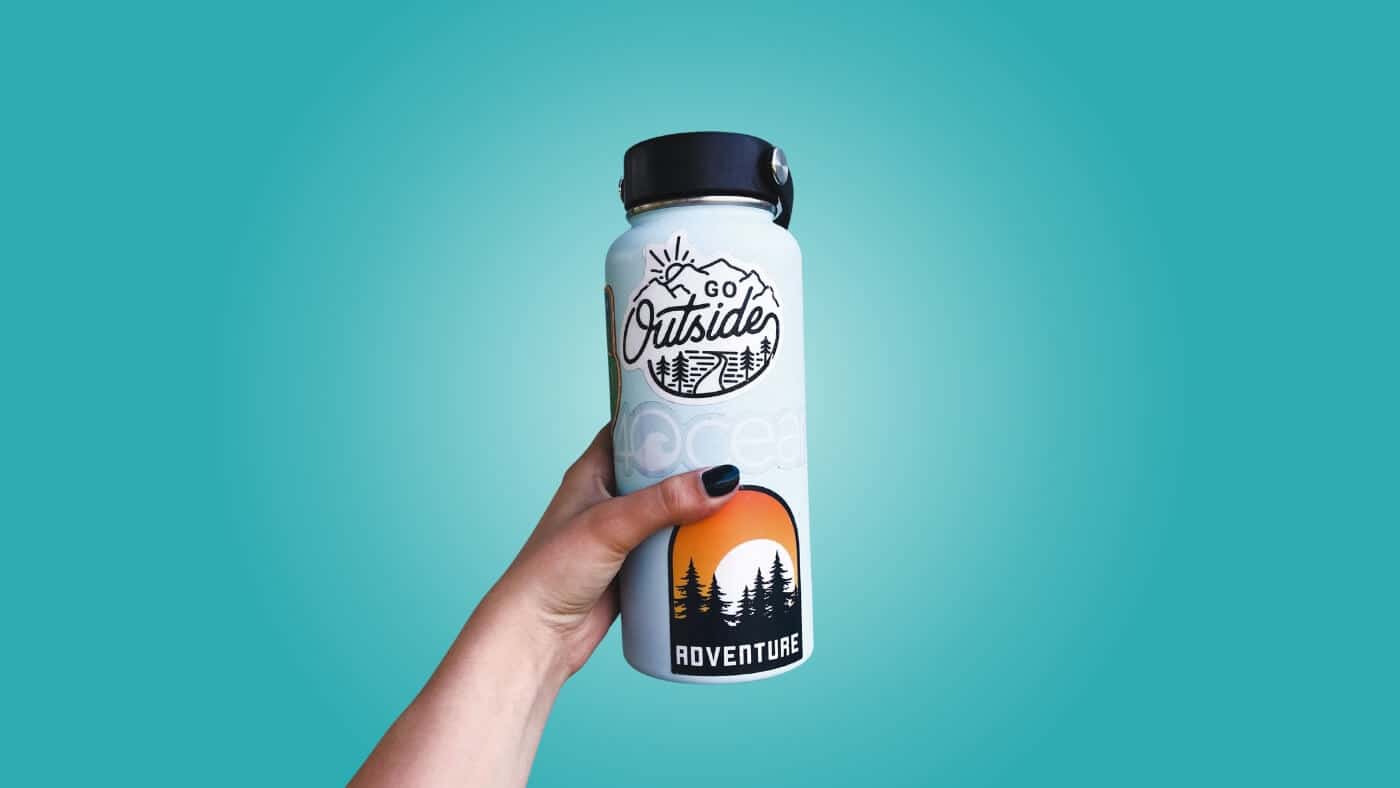
Water bottles and tumblers that go everywhere
Toolboxes, hard cases, and bikes that sit out in the open
Cars, lockers, notebooks, and instrument cases
A good sticker also triggers curiosity. It’s not like an ad that screams “BUY NOW.” It’s a quick signal: a logo, a phrase, a little mascot, a weird inside joke. People see it and ask, “what’s that?” The owner answers, and suddenly your brand is in a real conversation.
If you want a simple mental image, picture a stranger sitting next to you on a train. You notice a clean die cut sticker on their laptop. You don’t know the brand, but the design is sharp, so you look it up later. That’s not a funnel diagram. It’s just human behavior.
Designed to Last: Durability Matters
Here’s the uncomfortable truth: a cheap sticker can backfire.
If it peels in a week, cracks in the sun, or turns into a sad, bubbly mess after one dishwasher run, it doesn’t just disappear. It leaves a tiny “this brand cuts corners” impression. People might not say it out loud, but they notice.
Durability is where stickers turn into long-term visibility instead of short-term clutter. For marketing, you want the kind of sticker that survives real life: water, heat, cold, sunlight, friction, and the occasional “oops, i dropped it” moment.
That’s why materials matter. Durable vinyl plus a protective laminate is the difference between “still looks great next summer” and “why is this dissolving.”
If you’re printing through CustomStickers, the waterproof stickers are built for exactly that kind of abuse. They’re water-resistant, dishwasher-safe, and UV-resistant, which makes them a solid fit for water bottles, laptops, outdoor gear, and even car bumpers.
Longevity also changes the math. A digital ad gets a quick glance and then it’s gone. A durable sticker can sit on a laptop for months, getting seen in meetings, classrooms, cafés, and airports. It’s the same design doing work again and again without you paying for every single impression.
Community & Network Effects
Stickers don’t just travel. They spread.
This part is hard to replicate with most marketing channels because it’s not about targeting. It’s about people passing things along. A sticker sheet gets split up between friends. Someone grabs a handful from a bowl at an event. A vendor tosses one into every order. A customer sticks one on their laptop, and another customer spots it and asks where it came from.
That’s the network effect in its simplest form: one sticker creates the conditions for the next sticker.
If you run a small business, this is one of the easiest “offline to online” bridges you can build. Put your handle, URL, or a short call-to-action on the sticker. Then let the world do its thing. For practical ideas, CustomStickers has a solid breakdown in How to use Custom Stickers for your Small Business, including packaging, giveaways, and easy ways to stay top of mind.
And if you really want to connect the physical sticker to a digital action, QR code stickers are the obvious move. The trick is making them scannable in the real world, not just in your design file. If you’re adding a code, their guide QR Code Stickers: A Simple, Field-Tested Guide to Size, Contrast, and Scannability is worth a skim before you print 500 of something nobody can scan.
Social media plays into this too. A sticker on a water bottle ends up in a gym selfie. A sticker on a laptop ends up in a “desk setup” post. A sticker on a skateboard shows up in a clip. None of that feels like an ad, but it still creates reach and social proof.
Why Stickers Outperform Many Marketing Campaigns
A lot of modern marketing feels like shouting into a crowded room.
People are tired of ads. They skip them. They block them. Algorithms change and your reach drops overnight. And even when an ad “works,” it often works for about five minutes, then the next thing takes its place.
Stickers sidestep a bunch of that. They’re physical. They’re opt-in. Someone chooses to put your design on their stuff, which is already a different kind of engagement than clicking a sponsored post by accident.
This is where custom stickers for marketing can beat campaigns that cost way more:
Small investment, long visibility
No algorithm gatekeeping
Seen in real environments, not just on screens
Easy to bundle with packaging, handouts, or merch
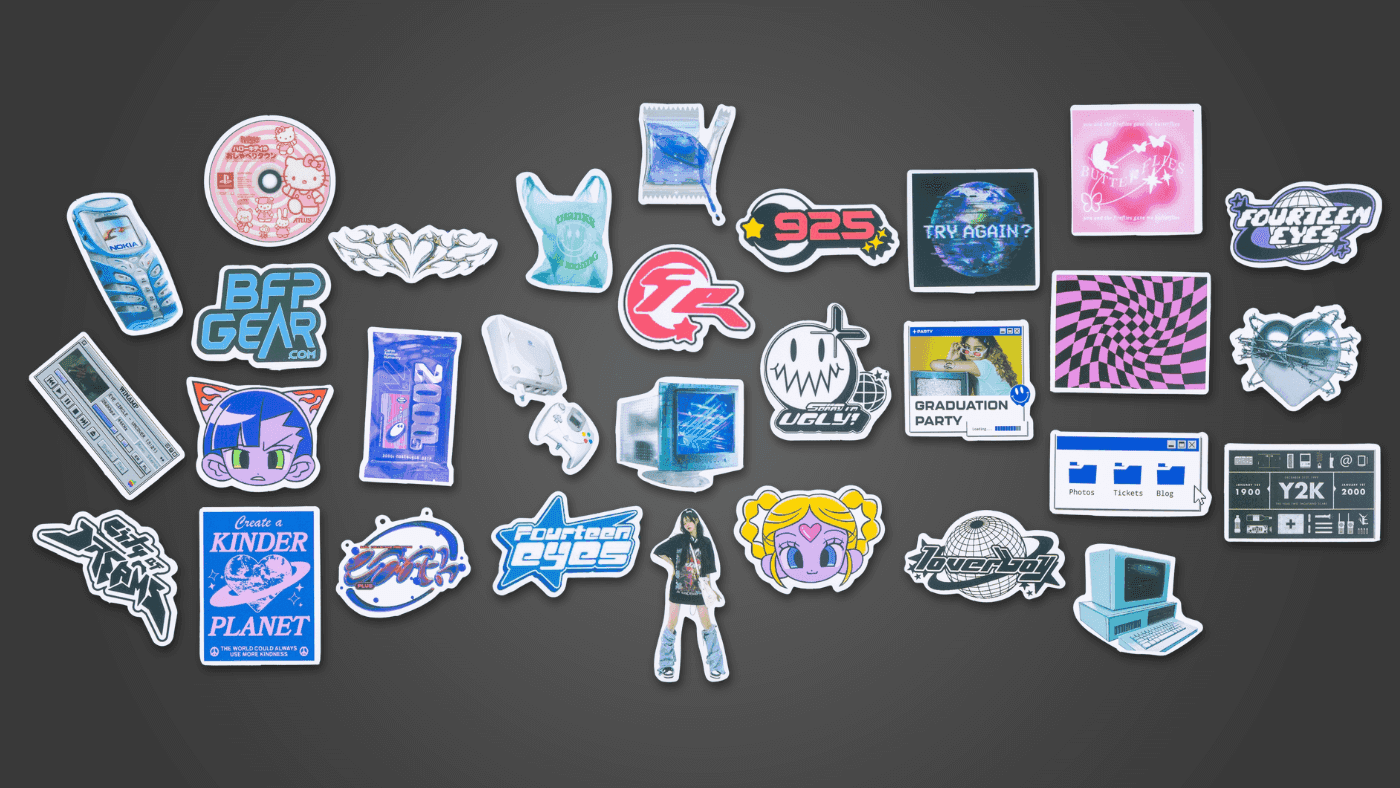
And when the design is actually good, a sticker becomes part of someone’s identity. That sounds dramatic, but you’ve seen it. Band stickers. Outdoor brands. Local cafés. Skate shops. People stick them on gear because it says something about what they’re into.
If you want the simple strategy, it’s this: make the sticker something people want to keep. Keep the design readable from a few feet away. Don’t cram a paragraph of text onto a 3-inch circle. Use bold shapes, clear contrast, and a logo that still makes sense when it’s half-covered by a thumb.
One more thing: it helps to be realistic about placement. If your audience is outdoorsy, stickers on bottles, coolers, helmets, and cases make sense. If they’re tech folks, laptop stickers are basically a uniform. And if you’re doing events, a stack of die cut stickers at the table often gets picked up faster than a brochure.
Sure, other sticker shops can print weatherproof vinyl too. Even places like YouStickers custom stickers emphasize durable materials. But the bigger point is that durability and design choices are what make sticker marketing work, not the “idea of stickers” on its own.
Conclusion
Stickers travel farther than most marketing because they hitch a ride on people’s everyday stuff. They get seen in public spaces, they spark small conversations, and they keep showing up long after a digital ad would have been scrolled past and forgotten.
But only if they last. Waterproof, dishwasher-safe, and UV-resistant materials matter because a sticker that survives real life keeps earning attention for months or even years.
If you’re building a strategy around custom stickers for marketing, treat them like real assets, not throwaway freebies. Design them to be wanted. Print them to be durable. Then let them wander.
And if you want high-quality, long-lasting stickers that are made for water bottles, laptops, car bumpers, and outdoor gear, CustomStickers.com is a solid place to start