
Stickers for organizing sound almost too simple, but that’s kind of the point. Most of us are not failing at “being organized” because we’re lazy. We’re failing because life is loud, time is short, and clutter creates a constant stream of tiny decisions. Where does this go? What bin is this supposed to be in? Do we already have three of these?
Organization doesn’t have to mean matching containers and a color-coordinated pantry that looks like a showroom. In my opinion, the best organization is the kind you can keep up even when you’re tired. That’s why visual systems work. And that’s why stickers work. A label turns a vague pile of stuff into a clear category, and it keeps that category clear without you having to remember anything.
In this article, I’m going to walk through why stickers help your brain feel less overloaded, how to use them in normal everyday spaces, what to look for when choosing labels, and how to build a system you won’t abandon in two weeks.
Why stickers for organizing actually work
The human brain is great at noticing things, but not great at holding a thousand small details in working memory. When everything is unlabeled, your brain has to do the work of remembering your system every time you clean up. That turns “put this away” into a mini problem-solving session, which is exactly the kind of friction that makes people give up.
Stickers for organizing turn cleanup into recognition instead of recall. Instead of thinking, “Where should this go?” you see a label and your brain goes, “Oh, it goes there.” That one small shift matters more than it sounds, because it reduces the mental load that builds up across a day.
Labels also make systems more consistent, especially in shared spaces. If you live with roommates, have kids, or work on a team, you’ve probably seen what happens when only one person understands the organization logic. It slowly collapses. Stickers act like the “rules” of the space, posted right on the bins, shelves, folders, and drawers, so everyone can follow the same system without needing a tutorial.
And then there’s the visual side. Color coding, simple icons, and clear text make information easier to process quickly. You don’t have to read every label carefully. You can scan. In a pantry or a supply closet, that scanning is the difference between staying organized and saying “forget it” and shoving everything into the nearest open spot.
Everyday ways to use stickers for organizing at home, work, and creative spaces
If you want stickers for organizing to actually change your day, start with an area that causes regular friction. The best place to begin is the spot where you’re always searching for something, or the spot that explodes into a mess the fastest.
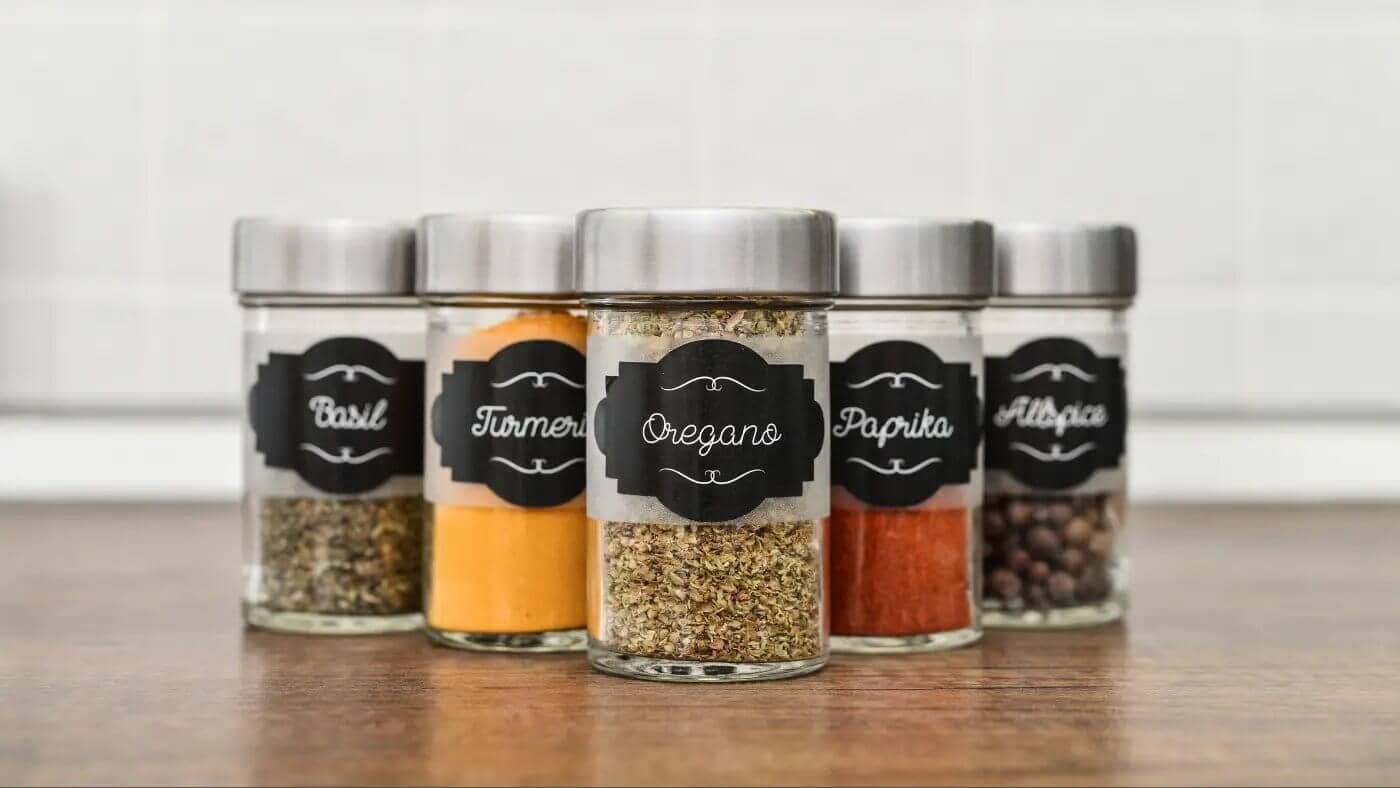
At home, the pantry is an easy win because it’s both high-traffic and prone to duplicate purchases. Label jars and containers with simple names you can read at a glance, like rice, pasta, flour, snacks, tea. If you like details, you can add a small note like “open” or an expiration month, but you don’t have to. The goal is clarity, not perfect inventory management. The same idea works for food storage containers, kid snack bins, and the shelf where all the “lunch stuff” lives.
Storage bins and shelves are another place where labeling pays off quickly. You don’t need a complicated category tree. You just need labels that match the way you naturally search for things. “Batteries + cords,” “paper goods,” “gift wrap,” “winter gear,” “tools” is enough. If bins are stacked, placing labels where you can see them from standing height saves you from pulling everything down like you’re playing a frustrating game of Jenga.
Cleaning supplies are one of those areas that look “fine” until you actually need something, and then you realize nothing is where you expect it to be. A simple system like “bathroom,” “kitchen,” “floors,” and “laundry” keeps things from migrating. It also makes it easier for other people in the house to help without asking where everything is. The label answers the question before anyone has to speak.
At work or school, stickers for organizing can make paper and planning feel less chaotic. Files, folders, and binders are obvious candidates, but the trick is to label based on action, not just topic. “To file,” “active,” and “archive” can be more useful than an overly specific naming system that no one keeps up with. If you use a planner or a calendar, small label stickers can also create quick visual markers for recurring items. It makes it easier to scan your week and spot deadlines, meetings, bills, or study blocks without reading every line.
Desk drawers are a sneaky problem area because clutter hides there. Labels help you avoid the “misc drawer” problem, where everything goes to die. Even two or three labels can make a difference. When the drawer has a clear purpose, it stays usable longer.
Creative spaces are where organization often feels the most personal, because everyone’s workflow is different. If you craft, paint, sew, or run a studio, labeling helps you protect your time and your supplies. A bin that says “vinyl sheets” or “watercolor paper” keeps expensive materials from getting bent, lost, or buried. If you sell products, labeling inventory by SKU, scent, color, or batch can keep packing and restocking from becoming a daily mess. The best part is you can keep it as simple as you want. Even a “start here” project bin can stop unfinished work from spreading across every surface.
Choosing the right stickers and building a system that lasts
Not all stickers are equally good at being labels. Some look great for a week and then start peeling, smudging, or getting grimy, especially in kitchens, bathrooms, garages, and anywhere things get wiped down.
Start by thinking about where the label will live. For bins and shelves, you usually want a label that’s large enough to read from a normal distance, not something tiny that forces you to lean in and squint. For jars, small rectangles or circles tend to look clean and intentional. Shape is not just aesthetic, either. Rounded corners often hold up better because they don’t catch and lift as easily.
Finish matters too. Matte labels are usually easier to read under bright lights because there’s less glare, and they’re often a better choice if you want to write on them. Glossy finishes can make colors pop, but glare can be annoying in certain spots, and some pens smudge on shinier surfaces. If you want a deeper breakdown of material options and formats like sticker sheets and roll labels, this overview is useful: Types of Stickers | Top Stickers for Any Use.
Durability is the big one if you’re labeling anything that might get wet or wiped. For pantry containers, cleaning bottles, and bathroom storage, it’s worth choosing materials designed to handle moisture. Clear labels can also look great on jars or bottles because they keep the focus on what’s inside, but application matters more with clear materials. If you’re curious about the difference between clear matte and clear gloss, plus tips for applying cleanly, this guide helps: How to Get the Most Out of Your Clear Labels.
Once you have the right stickers, the next step is making a system you can maintain. And this is where most people accidentally overdo it. My honest advice is to start with one area, not your whole house. Pick one cabinet, one shelf, one drawer. Label it, live with it for a week, and adjust. When a system breaks, that’s not a failure. It’s feedback. It means your categories didn’t match real life yet.
Consistency is what makes labels feel effortless. Using the same font style, the same general label size, and a small set of colors can make your system easier to scan. But try not to rely on color alone. If you’re using colors to organize categories, pair them with text or simple icons so the meaning stays clear.
Also, avoid labeling every single thing. Over-labeling creates visual noise. When everything screams for attention, nothing stands out, and you stop noticing labels altogether. Focus on the decision points: the bins people always mix up, the drawers where items get dumped, the shelf where duplicates keep showing up because no one can tell what’s already there.
Make it personal with custom stickers for organizing
There’s a reason personalized systems last longer. When labels match how you think, they get used. When labels match your space, they don’t feel like an extra layer of clutter. Custom stickers for organizing let you build that kind of fit, whether you want a clean minimal look, bright kid-friendly icons, bilingual labels, or categories that are specific to your home or workspace.
Customization is especially helpful in shared spaces because it removes ambiguity. Instead of “random cords,” you can label by use, like “phone chargers,” “camera gear,” or “work laptop.” Instead of “craft stuff,” you can label by material, like “vinyl,” “beads,” or “packaging.” The system becomes easier to follow because it’s describing real life, not a generic template.
Custom labels also help small businesses stay sane. If you’re managing inventory, supplies, or packaging, stickers can become a lightweight inventory system you can actually keep up with. A clear label on a bin can save you time every day. It can also make it easier to train helpers, keep storage consistent, and avoid that late-night scramble where you know you have the thing somewhere, but you can’t find it.
At the end of the day, organization doesn’t need to be complicated or expensive. Stickers for organizing are just a tool, but they’re a surprisingly effective one because they turn “remember this system” into “follow this sign.” If you want to start, pick one small spot that annoys you daily, label it, and see how it feels. Then build from there. Low pressure, real life, and a little less chaos.